FY26: A year in review
Reflections from our CEO
FY26 asked a lot of Australian business owners. Tariffs kept escalating, conflict in the Strait of Hormuz dragged on, and the RBA lifted the cash rate three times as inflation stayed above its target band. Productivity growth remained weak and insolvencies stayed high, and well above pre-COVID levels. Yet the owners who came to us this year weren’t asking how to get through it. They were asking how to grow through it.
The deal market showed the same tension. Australian mid-market M&A recovered through calendar 2025: deal value rose 14% to $20.9 billion and volumes rose 11%, ending a decline that began in 2022. The first half of 2026 gave some of that back. Mid-market value fell 6% and volumes fell 4%, even as total M&A value rose 25% on far fewer deals (Pitcher Partners). Capital is still flowing, but it is being deployed mostly at the top end. The middle market still needs more dedicated capital from investors that prioritise investment in mid-market SMEs.
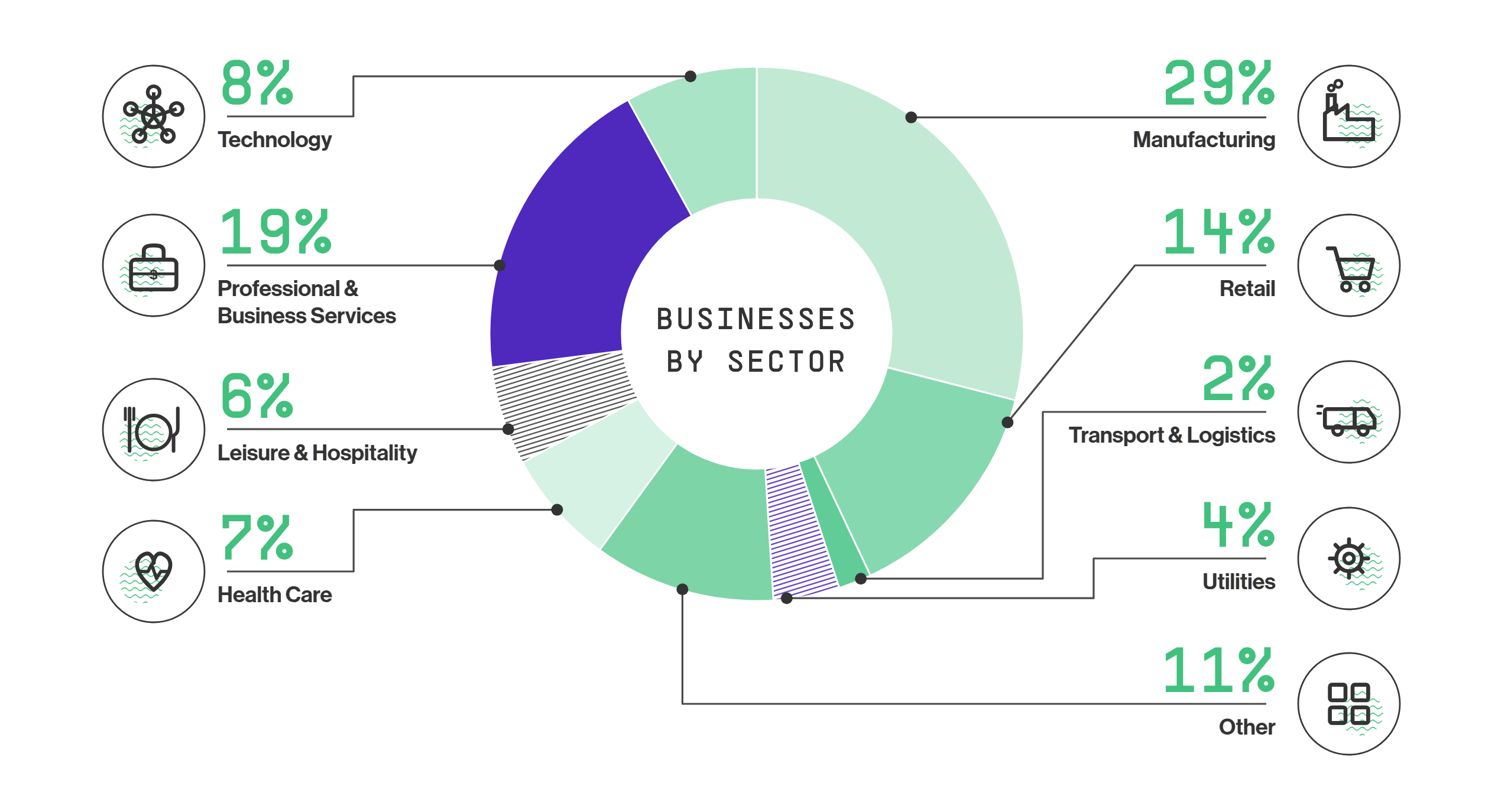
The businesses that approached us for capital in FY26 tell a clear story about where growth is coming from in the Australian economy. Manufacturing is now the largest source of demand at 29% of inquiries, up from 16% a year ago. Technology, last year’s leading sector at 20%, fell to 8%. Professional and business services followed at 19%. Re-industrialisation has been a theme in this letter for some time. This year it showed up in the numbers.
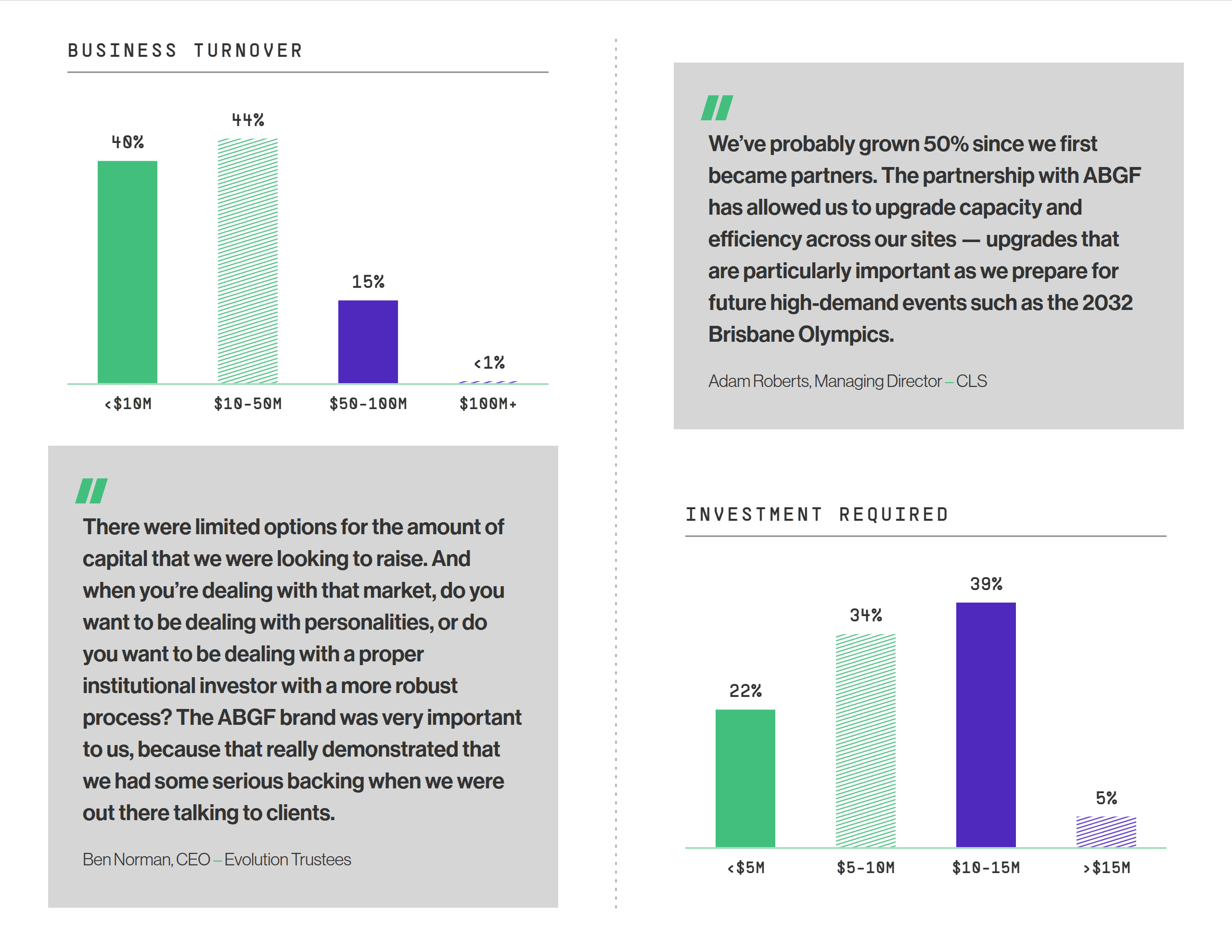
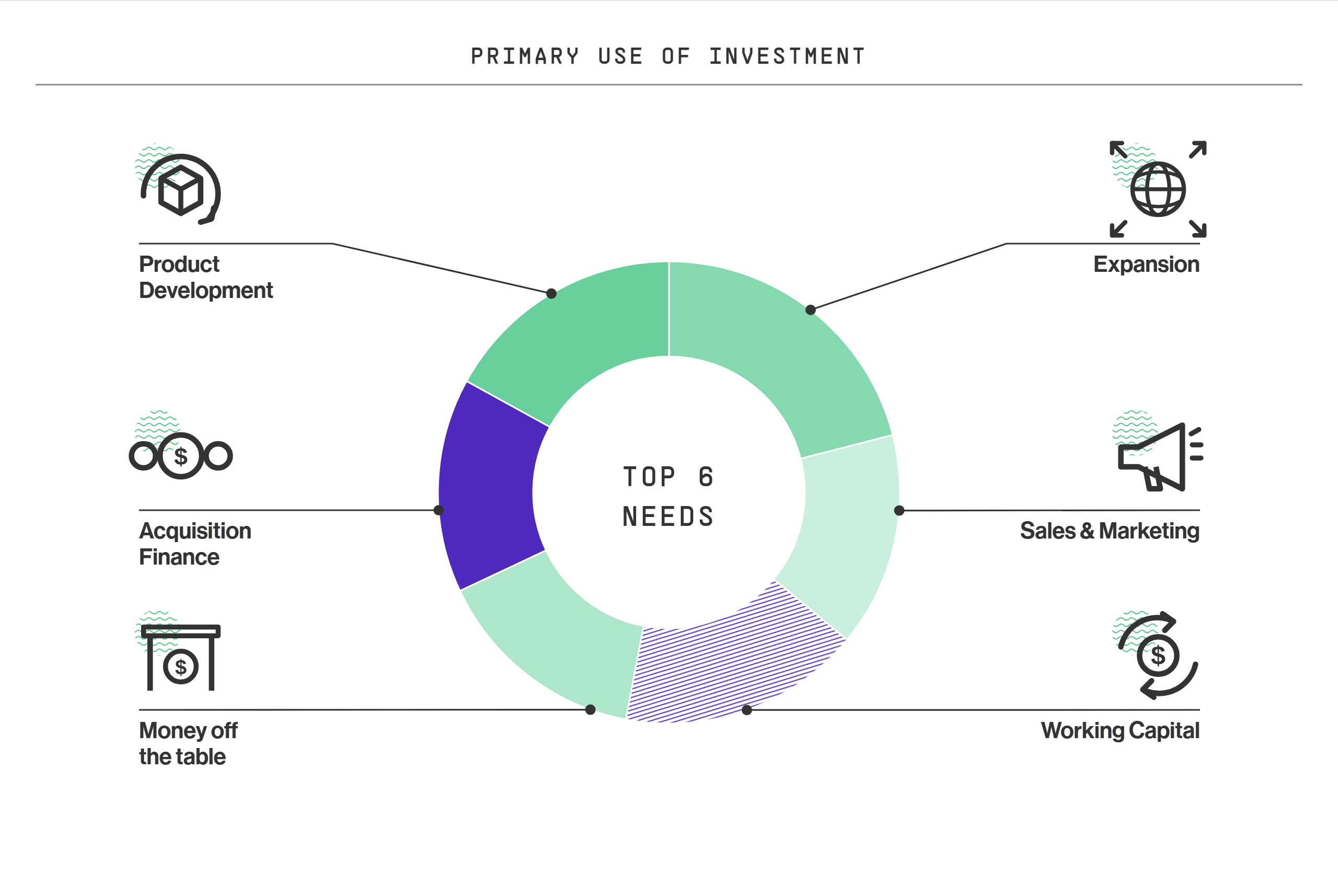
These are established businesses. Six in ten reported turnover above $10 million. The amounts they sought were more spread out than last year. More asked for under $5 million (22%, up from 12% in FY25), and the share seeking more than $15 million, beyond our previous investment limit, rose from 2% to 5%. Their reasons were about growth. Expansion and sales and marketing joined product development, acquisition finance and working capital among the six most-cited uses of funds, replacing production capacity and recapitalisation. Owners partially selling down (taking some money off the table) also stayed in the top six, a reminder that growth and succession often go together.
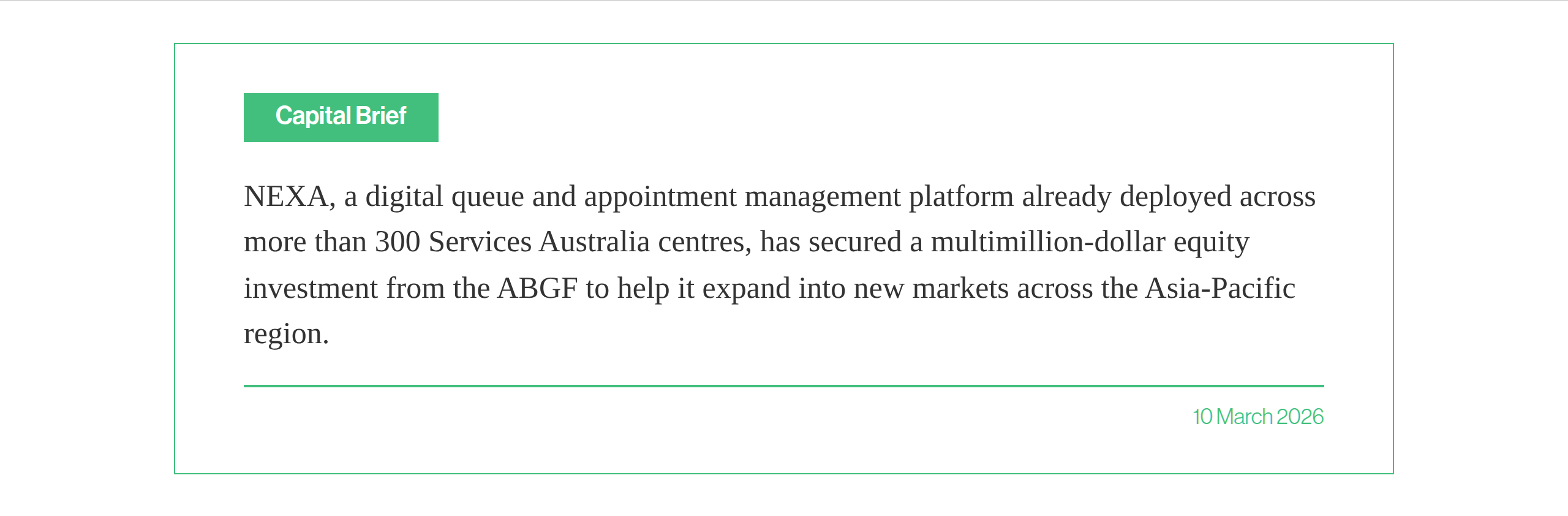
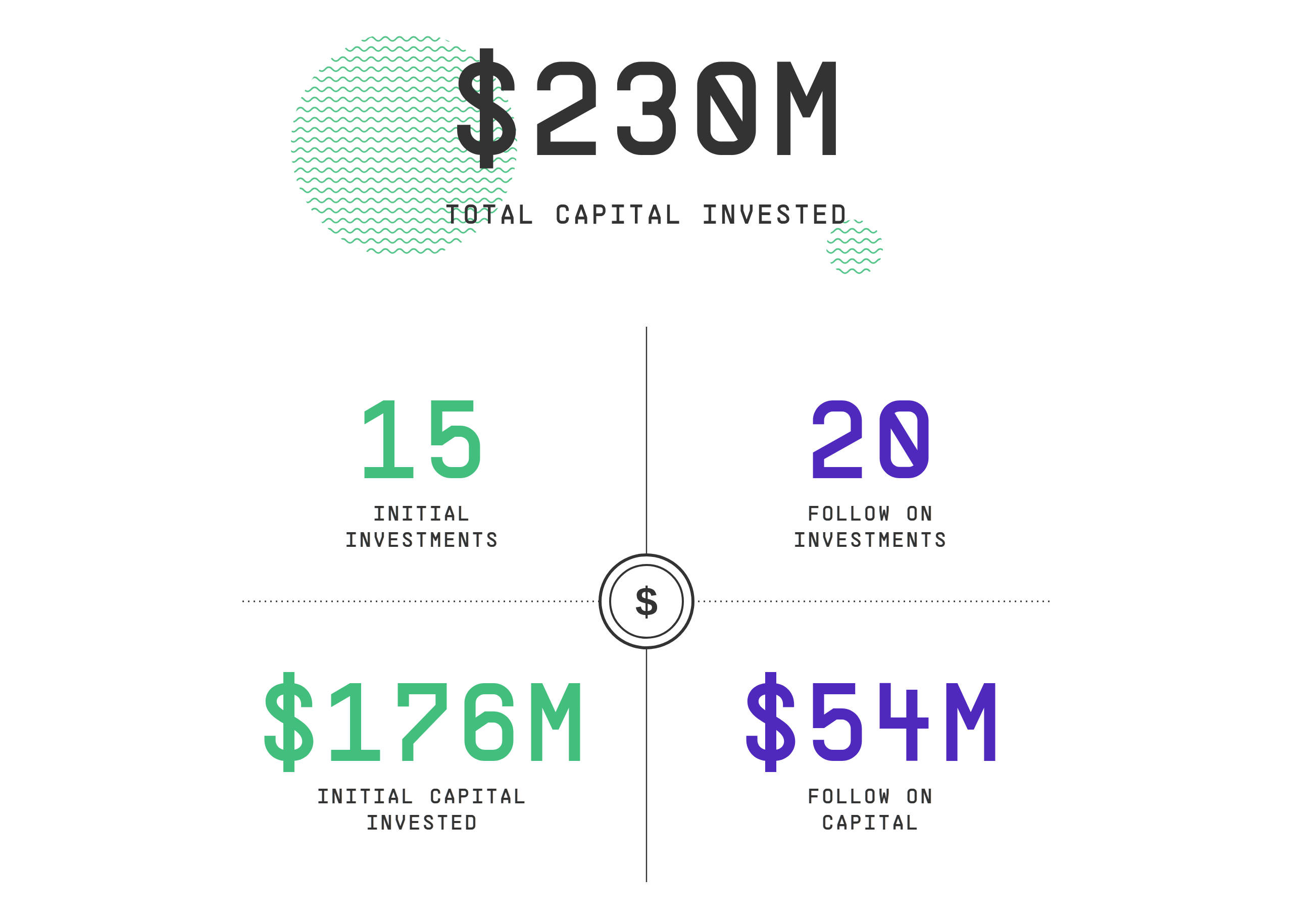
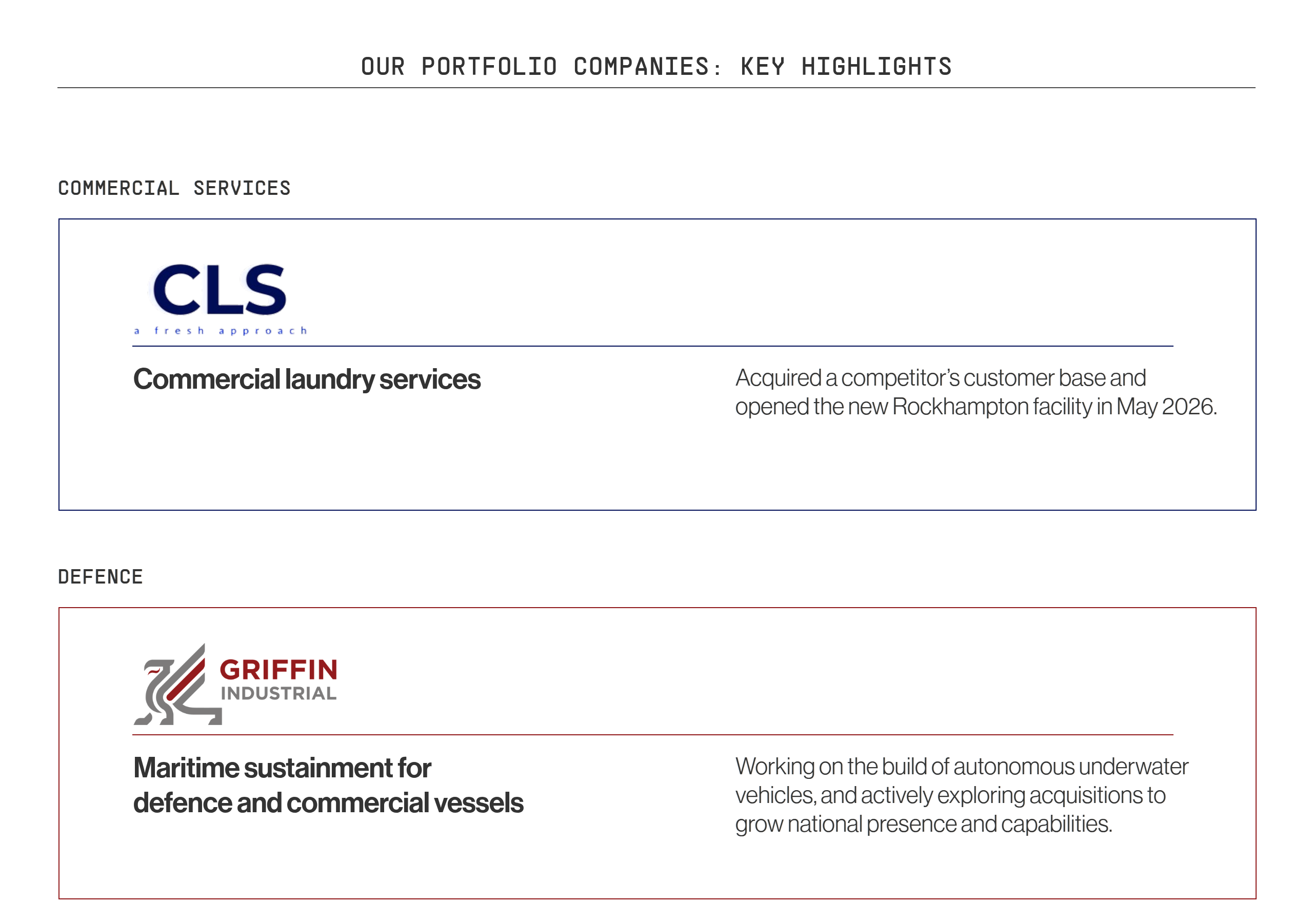
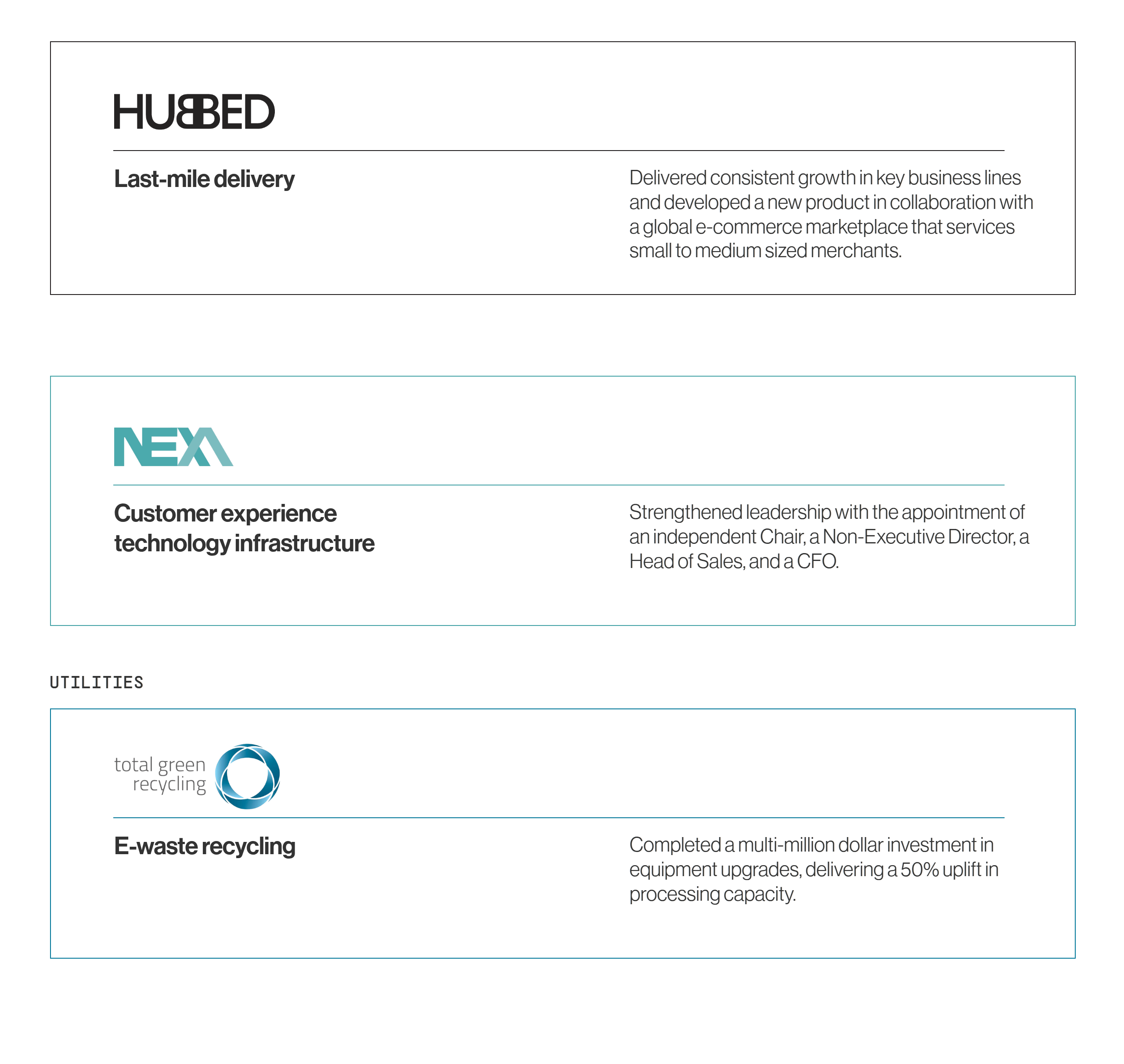
We also changed how we find these businesses. By the June quarter, direct sourcing through our proprietary DataEngine platform accounted for 37% of new leads. Our newest investment, Griffin Industrial Group, was the first to come through that platform. Griffin provides maritime sustainment to defence and commercial vessels across all four of Australia’s Regional Maintenance Centres. It joins NEXA as one of two new investments in FY26. Across those and seven follow-on investments, we put around $40 million to work in FY26, taking total capital invested since inception to $230 million.
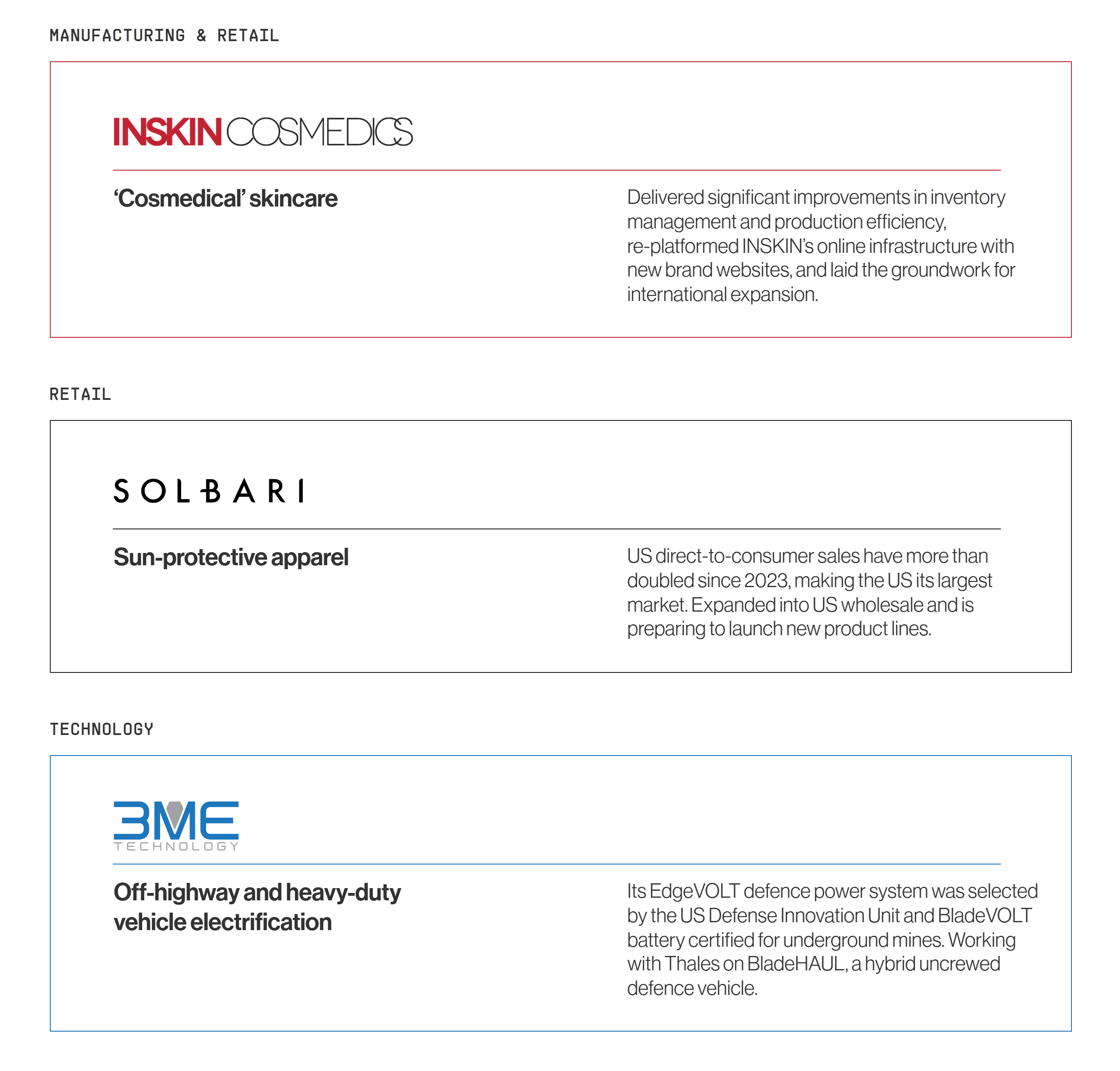
The portfolio showed what patient capital and hands-on support can do. Consolidated Linen Service (CLS) has grown around 50% since we invested in June 2024 and opened its new Rockhampton facility in May. Solbari’s US direct-to-consumer sales have more than doubled since 2023, making the US its largest market, and it has now moved into US wholesale. 3ME Technology’s EdgeVOLT portable power system was selected by the US Defense Innovation Unit under its PRISM program.
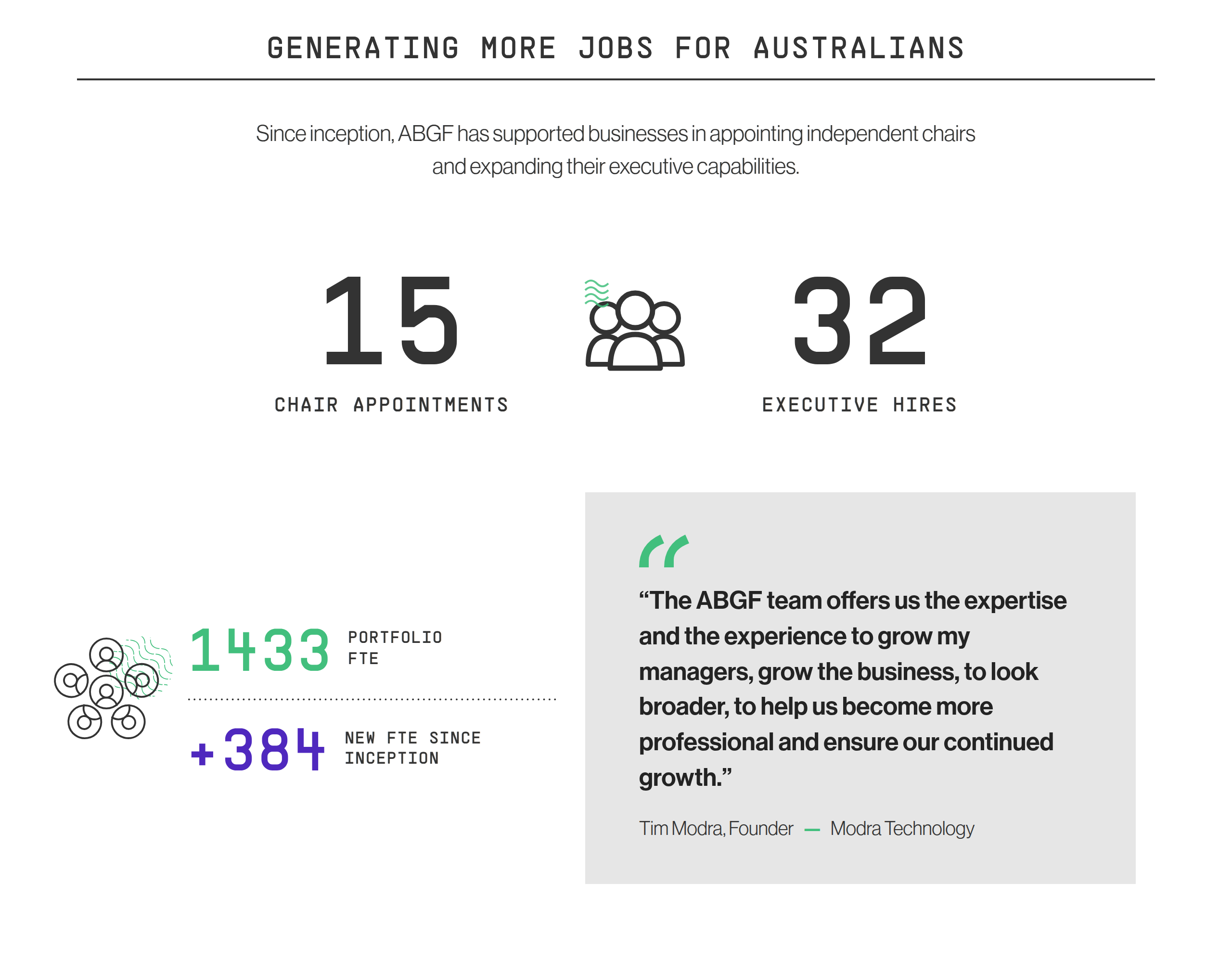
Since inception, we have supported our businesses to appoint 15 independent chairs and make 32 executive hires, including two chairs and eight executives this year. Capital works best alongside the governance and leadership to manage it well.
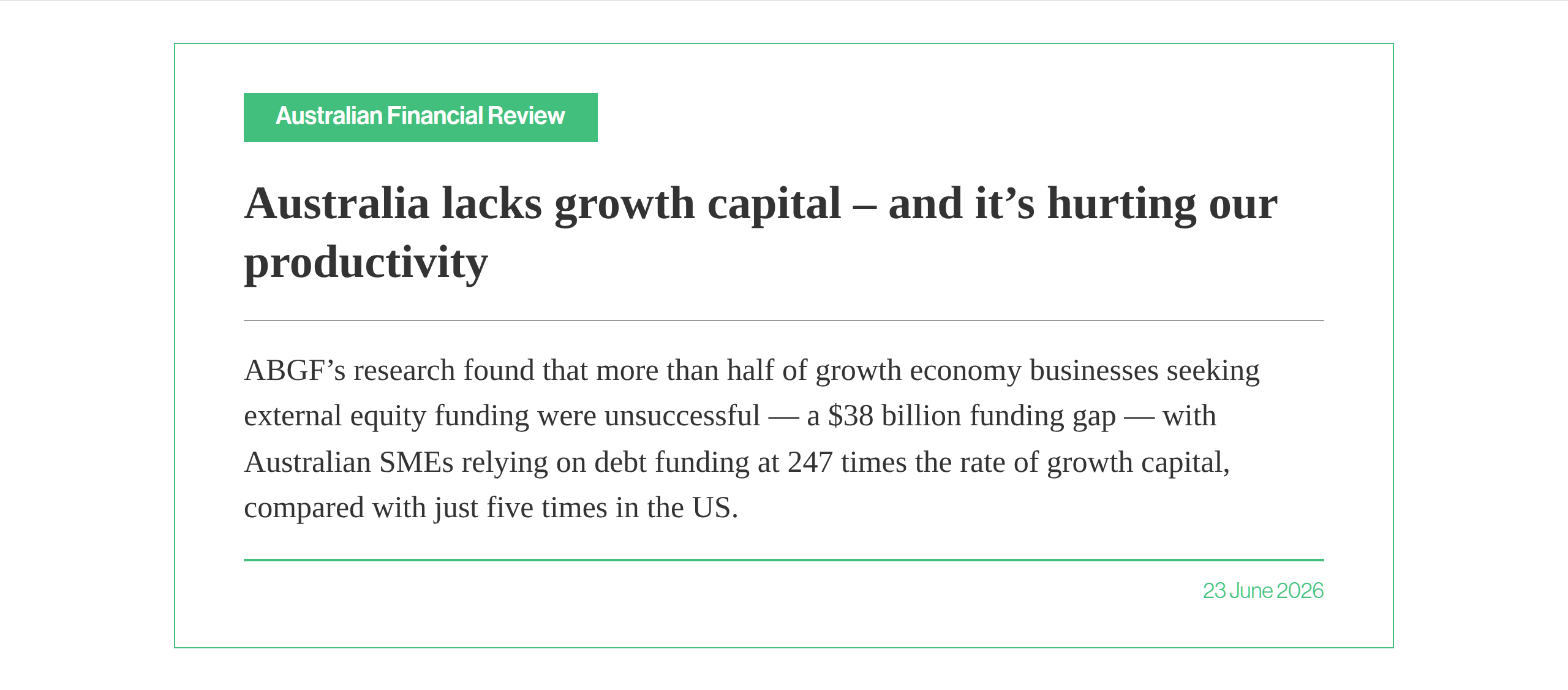
The need for growth capital has not gone away and the contribution of the SME economy has never been more important. Our Powering the Growth Economy research found that Australia’s 164,000 growth economy businesses make up just 6% of companies but employ more than 42% of working Australians and account for close to half of all research and development spend in Australia. The bad news is that more than half of those that sought outside equity didn’t get it – that adds up to a $38 billion equity gap – and for those businesses that did access some outside equity, most of that capital came from family and friends, not the sort of institutional capital that typically comes with professional expertise and institutional support.
The year ahead looks more positive for deal flow. Pitcher Partners’ latest survey of dealmakers found that succession planning now tops the list of mid-market deal drivers, cited by 42% of respondents, and 71% say they will increase their mid-market investment in 2026. A generation of owners is deciding what comes next. Many of them don’t want to sell to a buyout fund or an offshore buyer. They want a partner who will back them to keep going.
We finish FY26 better equipped to be that partner. As we closed out the year, we introduced an expanded mandate that doubles our investment firepower. Our maximum initial investment increases from $15 million to $30 million, and with follow-on, we can invest up to $50 million in a single business. We can now also take a majority stake where a founder wants to reduce their shareholding further as part of a succession or exit plan. Minority investment remains our default, and most owners we back will stay in control of the business they built.
We sought the change because we were turning away too many good businesses. Some needed a bigger cheque than we could write. Others needed a different ownership structure. Each time, a strong Australian company went back into a market with nowhere obvious to turn. That is a stubborn gap in Australia’s capital markets, between venture capital and traditional buy-out private equity. Our expanded mandate means we can now do more to fill that gap and provide more flexibility for founders.
What hasn’t changed is why we do it. Most of the businesses we back are founder-led and family-owned. Their owners work hard to serve their customers and communities, and they rarely go looking for recognition. They deserve more of it. This hidden part of the economy drives growth, creates jobs and keeps Australia’s entrepreneurial culture alive. Our purpose remains the same, but our ambition is bigger than ever: to back more Australian businesses to grow and thrive.
Anthony Healy
CEO and Managing Director